Sign in. It’s quick, free and it’s up to you.
An account is an optional way to support the work we do. Find out more.
Sign in. It’s quick, free and it’s up to you.
An account is an optional way to support the work we do. Find out more.

The FOI Files is a series from our team at The Journal Investigates. Each week, one of our investigative journalists brings you inside the fight for information that we’re all entitled to. They’ll share their documents, their stories – and tips on how to take the journey for yourself.
This week’s file is from investigative journalist Conor O’Carroll.
See here for The Journal Investigates’ most recent investigations.
SOMETIMES WHEN YOU get a FOI response that is refused in its entirety, it’s not the end of the story.
If you pay close attention to the reason why a request has been refused, you can still learn a lot about what is going on inside an organisation.
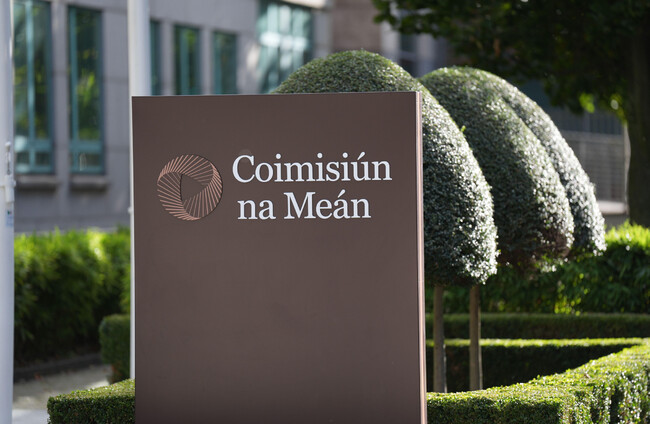
This happened to me recently after my request to Coimisiún na Meán, seeking correspondence between the media regulator and social media companies, was denied.
But despite this, I was still able to see which social media companies they were meeting, when they were meeting them, and infer that the media regulator may be in the early stages of an official investigation.
I focused my request on “harmful, dangerous or illegal content…relating to dangerous driving” after The Journal found that dozens of TikTok accounts showing car thefts and dangerous driving remained online more than a week after the M9 crash.
For that article, Coimisiún na Meán told The Journal that it was in contact with TikTok over the videos.
I wanted to know what was being discussed. And a little over four weeks later, I received the decision letter.
Coimisiún na Meán found 16 records related to my request. All of them were refused, though the schedule of records provides a glimpse into interactions with social media giants.
It shows that the regulator sought meetings with TikTok, YouTube, Meta – owners of Facebook and Instagram – and X.
The date of the meeting with TikTok, 7 July, also suggests that Coimisiún na Meán were already looking into this issue before the M9 crash, which happened in August.
Though in the wake of the crash, the media regulator appears to have stepped up its engagement with these companies on the content hosted on their platforms.
There was also a 22-page internal briefing note dated 1 September, though there are no clues as to what this contains.
Every single record was refused under Section 30 of the FOI Act, with the decision maker specifically relying on subsection (1)(a).
This part of the act deals with the functions of FOI bodies, where it can “reasonably be expected to prejudice the effectiveness of tests, examinations, investigations, inquiries or audits”.
This is a ‘harm based’ exemption, which means that for an FOI body to rely on it to refuse records, they must identify what that harm is.
The Information Commissioner also expects that this potential harm actually has a realistic, or reasonable, chance of happening, which prevents public bodies from coming up with any reason, no matter how unrealistic.
In this case, Coimisiún na Meán argued that releasing the records would prevent it from carrying out its job as a regulator.
They said that they are still engaging with the social media companies named in the request and that to release the records now could “have a prejudicial effect” on any future action.
Six of the records were also refused under Section 29 of the FOI Act, most notably relating to the regulator’s engagement with TikTok.
As we’ve discussed in a previous FOI Files, Section 29 covers issues that are under ‘deliberation’ by an FOI body.
Decision makers must explain why refusing these records wouldn’t be in the public interest.
In this case, the decision maker wrote that “the records withheld directly relate to matters pursuant to Coimisiún na Meán’s regulatory and supervisory functions.”
They also said that the deliberative process “is ongoing and subject to due process under an established regulatory framework,” adding that releasing the records could “contaminate” this process.
As part of its duties as media regulator, Coimisiún na Meán must officially announce formal investigations.
They have already done so previously, launching formal investigations into TikTok, LinkedIn, Instagram, Facebook and X under the Digital Services Act.
And in September, the regulator commenced the first formal investigation under Ireland’s Online Safety Code, looking at “potential ineffective implementation of age assurance mechanisms by X”.
There has been no announcement by the regulator of an official investigation into platforms relating to their hosting of these types of videos.
A spokesperson for Coimisiún na Meán also confirmed to our team that the response received in the FOI is “accurate and accurately reflects the current standing”.
But an official investigation doesn’t necessarily mean the same thing as ‘investigations’ under Section 30 of the FOI Act.
That section of the act also allows for records relating to “tests, examinations, inquiries or audits” to be refused, which might cover the assessment stage before launching an official investigation.
Coimisiún na Meán may decide that there is nothing to investigate further from this assessment and engagement with the social media companies.
And if they decide to launch a formal investigation, they will have to announce it.
So while our request was refused, the specific section of the FOI Act used offers an insight into the work behind the scenes at the media regulator.
If you have a burning FOI question about how to get certain records or why your request was refused, you can get in touch with our team at investigates@thejournal.ie. The Journal Investigates team will be back with another instalment of The FOI Files next Tuesday.

To embed this post, copy the code below on your site













have your say